
Dr Amit Gupta Optholomologist Toronto
Drugs are commonly used to treat serious eye conditions, including:
- Age-related macular degeneration (AMD)
- Diabetic retinopathy
- Retinal vein occlusion
- Certain eye infections or inflammation

Intravitreal injections are a medical procedure where medication is injected directly into the vitreous humor—the gel-like substance inside the eye. This allows doctors to deliver drugs right to the retina and other internal eye structures.
Dr Amit Gupta Optholomologist Toronto
Treatment-Related Stress
Conditions requiring intravitreal injections, such as Age-related Macular Degeneration, Diabetic Retinopathy, or Retinal Vein Occlusion, often require frequent visits. The ongoing treatment burden can lead to:
- Chronic stress
- Frustration
- Worry about future vision loss
- Fatigue from repeated appointments

Intravitreal injections (injections of medication directly into the eye) are primarily discussed in terms of physical risks, but there can also be mental and psychological impacts for some patients.
Common Mental and Emotional Risks
Anxiety and Fear
Many patients experience anxiety before injections because of:
- Fear of needles near the eye
- Worry about pain or complications
- Anticipation of repeated treatments over months or years
Studies have found that anxiety before intravitreal injections is relatively common, especially during the first few procedures.
Dr. Michael Kapusta MD, Retina expert Montreal
Visual Disturbances: Chronic stress and anxiety can cause temporary visual symptoms, including blurred vision, light sensitivity, and eyestrain.
- Eyelid Twitching: Stress can sometimes trigger involuntary eyelid spasms or twitching, known as myokymia.
- Reduced Contrast Perception: Some studies suggest that depression can dull perception, making it harder to see colors and contrasts clearly.
- Dry Eyes: Depression is associated with decreased tear production, leading to eye dryness and discomfort
Dr Mike Dollin, MD, MSc, Ophthalmologist, Ottawa, ON
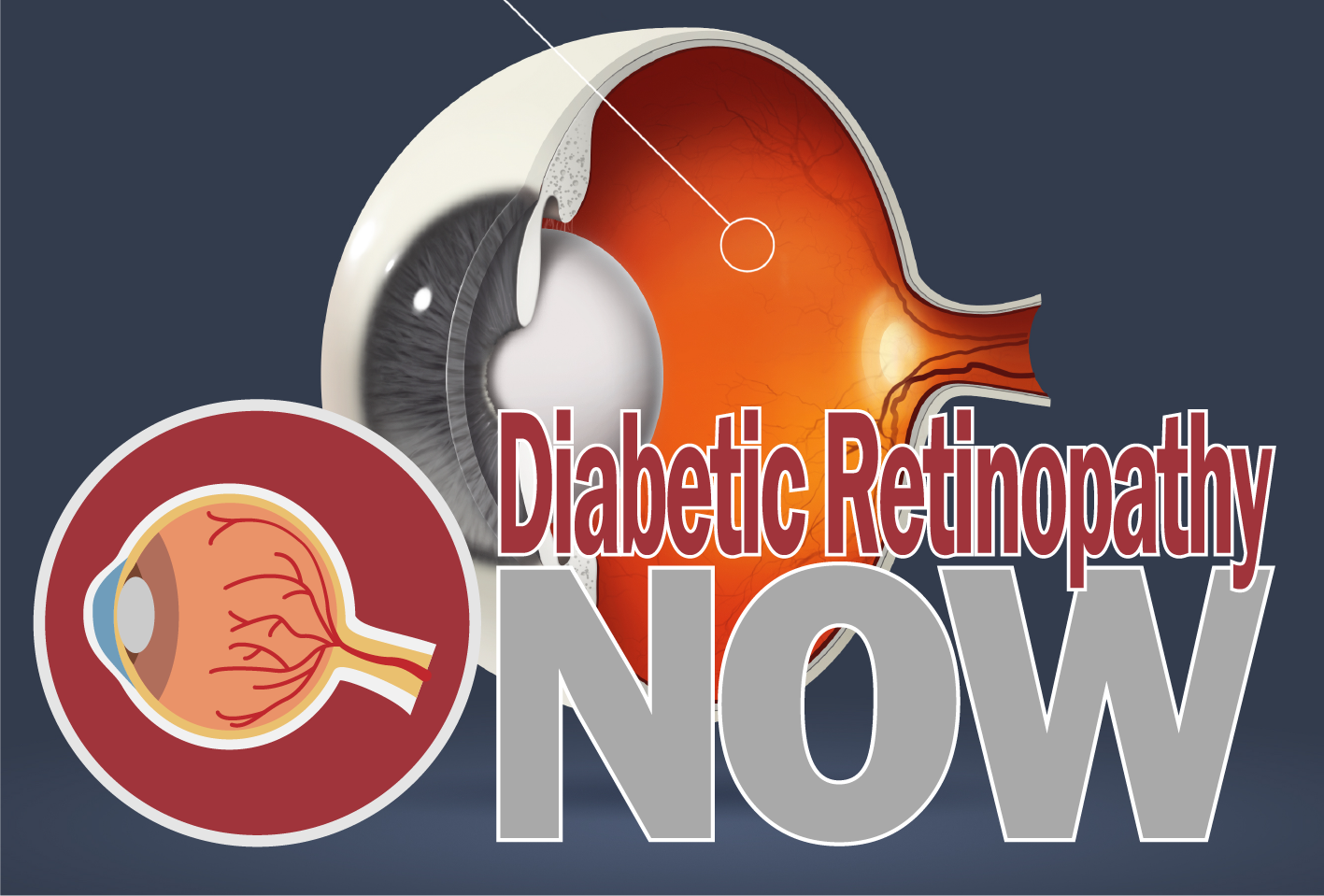
Intravitreal injections are injections of medication directly into the vitreous (the gel-like substance inside the eye). They are commonly used to treat conditions such as Age-related Macular Degeneration, Diabetic Macular Edema, and Retinal Vein Occlusion.
Common side effects
These are usually mild and temporary:
- Eye redness (often from a small surface blood vessel breaking)
- Mild eye pain, irritation, or scratchy sensation
- Watery eyes
- Sensitivity to light
- Temporary blurred vision
- Feeling like something is in the eye
- Small floating spots or bubbles in vision immediately after the injection
Dr. David Maberley, MD, Ophthalmologist, Ottawa

Less common but more serious side effects
These require prompt evaluation by an eye specialist:
- Increased eye pressure (intraocular pressure)
- Significant eye pain
- Worsening vision or sudden vision loss
- Persistent flashes of light or a sudden increase in floaters
- Retinal tear or retinal detachment
- Cataract formation or progression (especially after repeated injections or steroid injections)
Eye Health Nutrition NOW
Dr. David Maberley, MD, FRCSC, Ophthalmologist, Ottawa. ON

Foods most consistently associated with eye protection include:
- leafy greens (spinach, kale, collards),
- fatty fish (salmon, sardines, mackerel),
- berries and citrus,
- nuts and seeds,
- olive oil,
- legumes,
- and brightly colored vegetables like peppers and squash.
Emily Campbell, RD, Registered Dietitian and Dr David Maberely
Dr. Setareh Ziai, MD, FRCSC, Ophthalmologist, Ottawa, ON
Dr. Annick Fournier, MD, FRCSC, Ophthalmologist, Ottawa. ON